1971 in Hi-Fi
(126 ads)
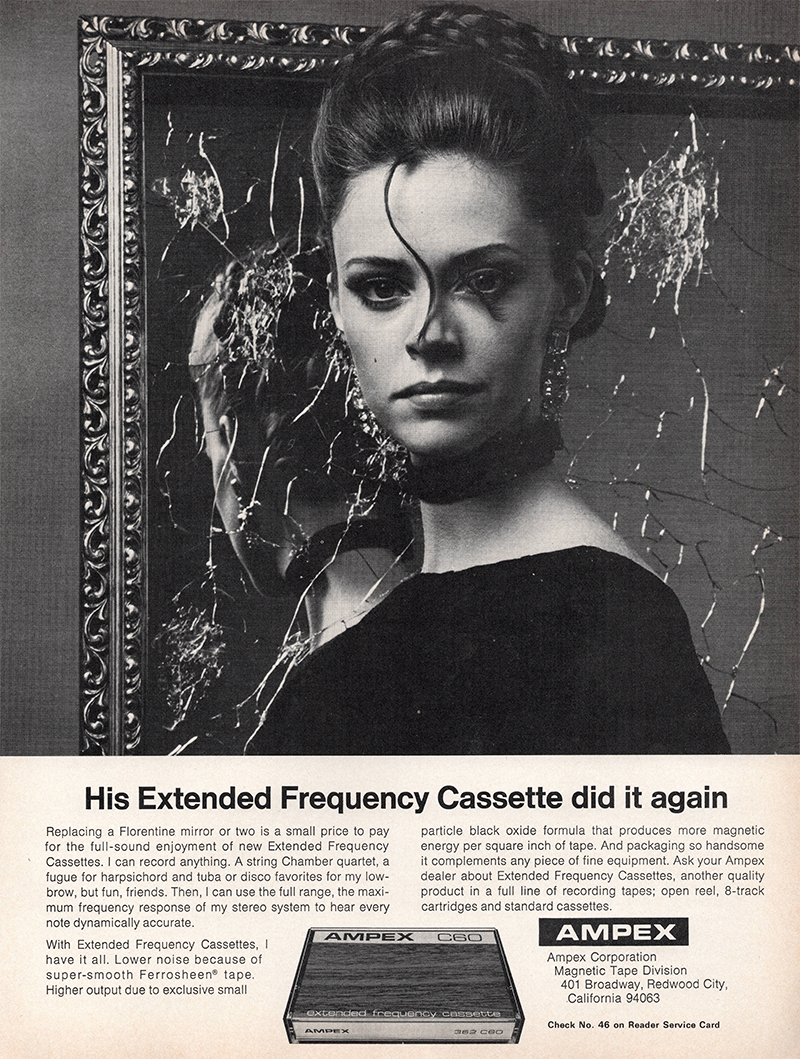
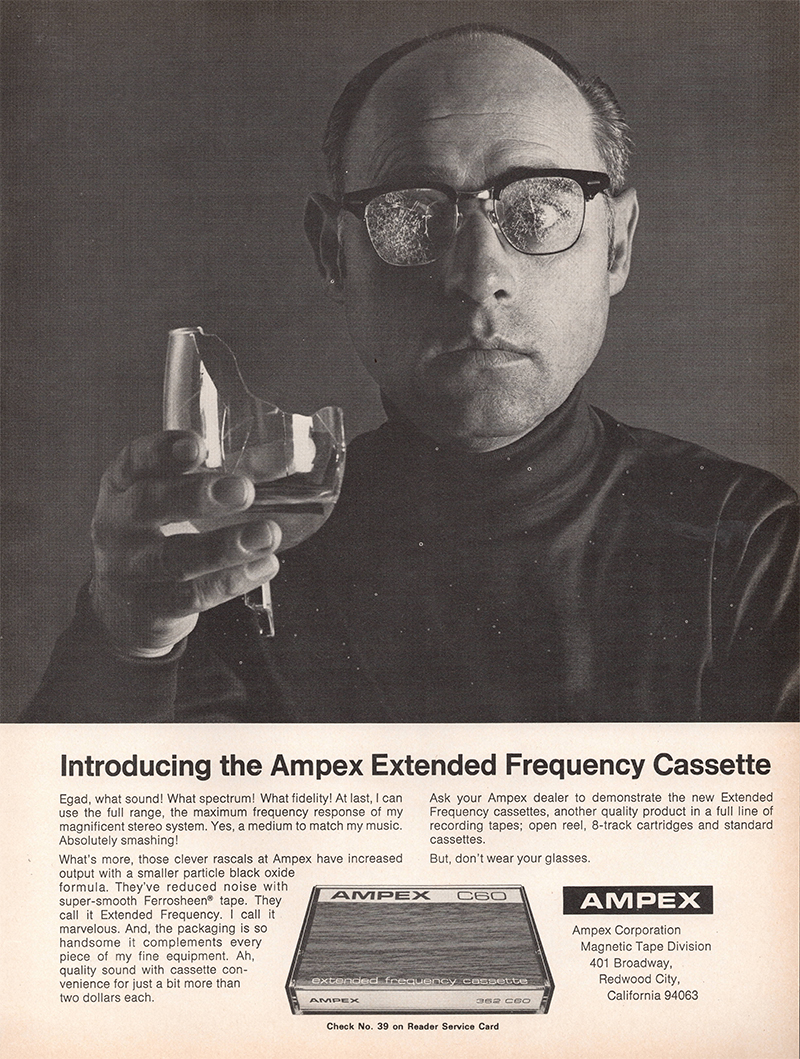
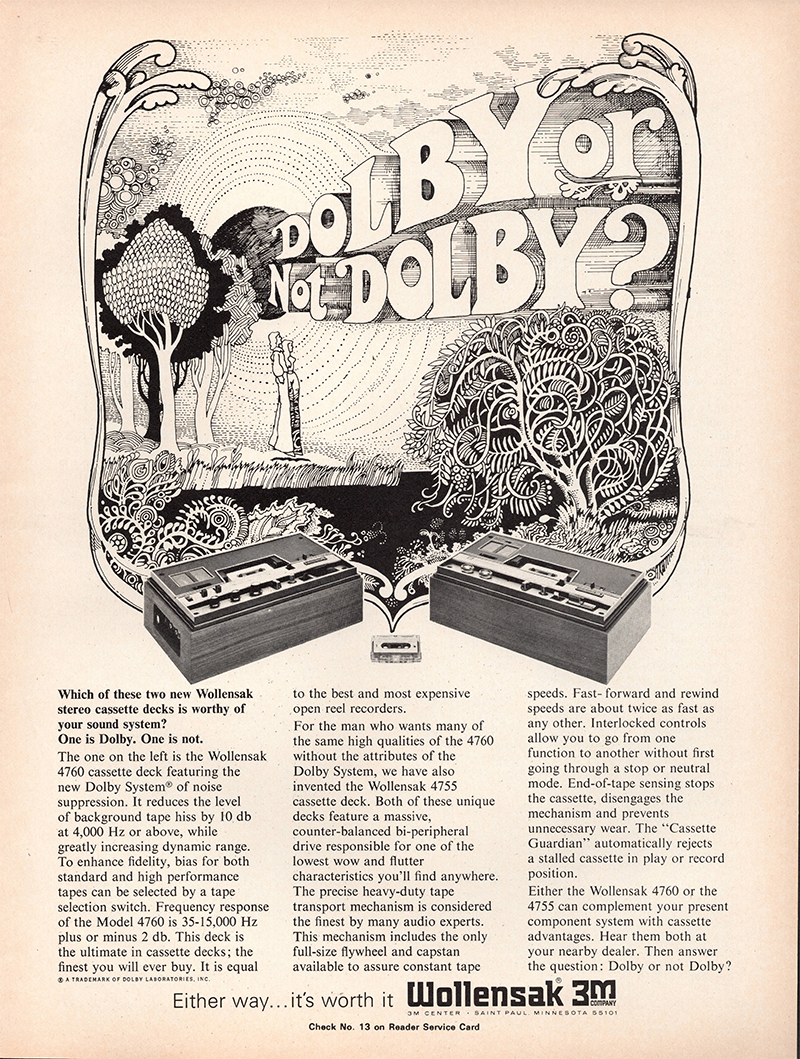
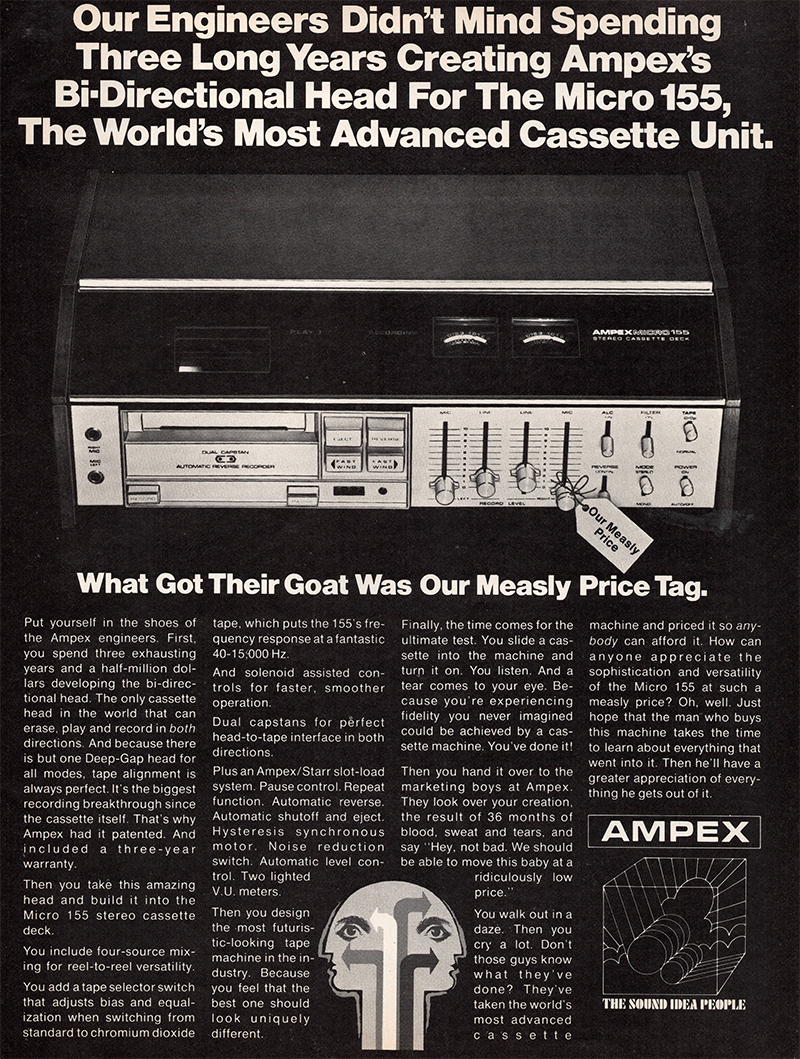
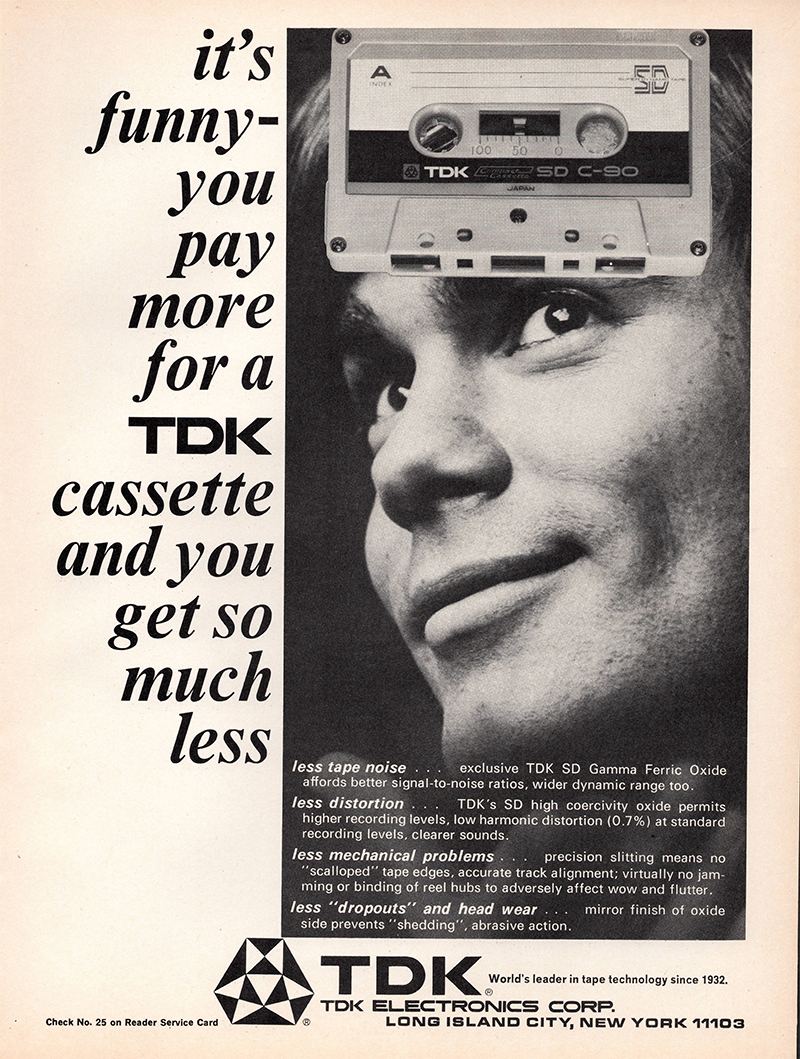
The Advent 201, released in 1971, is often credited as the first cassette deck that hi-fi enthusiasts could take seriously. It combined Dolby B noise reduction (introduced a few years earlier) with chromium dioxide tape, cutting down the hiss and dull top end that had made cassettes feel more like a dictation format than a music one. Before the 201, cassette was mostly seen as convenient but sonically compromised, useful for spoken word or casual listening rather than critical listening. The 201 didn't fully close the gap with reel-to-reel, but it was the moment cassette started to be marketed — and taken — as genuine hi-fi gear.
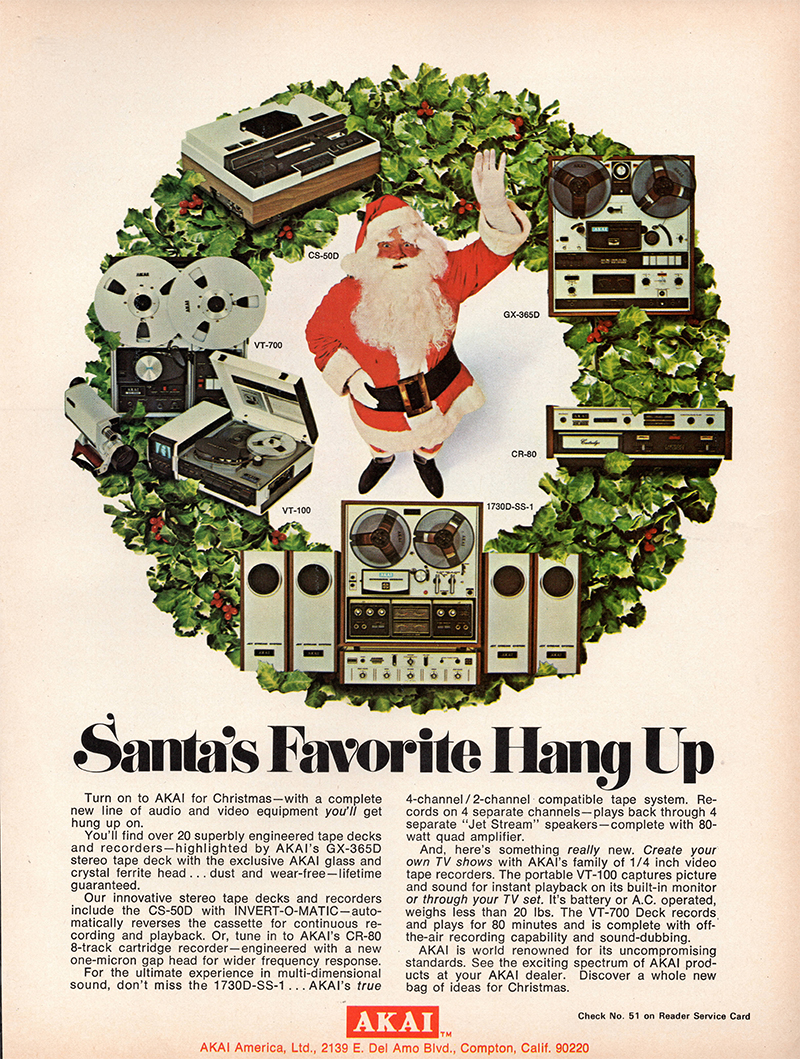
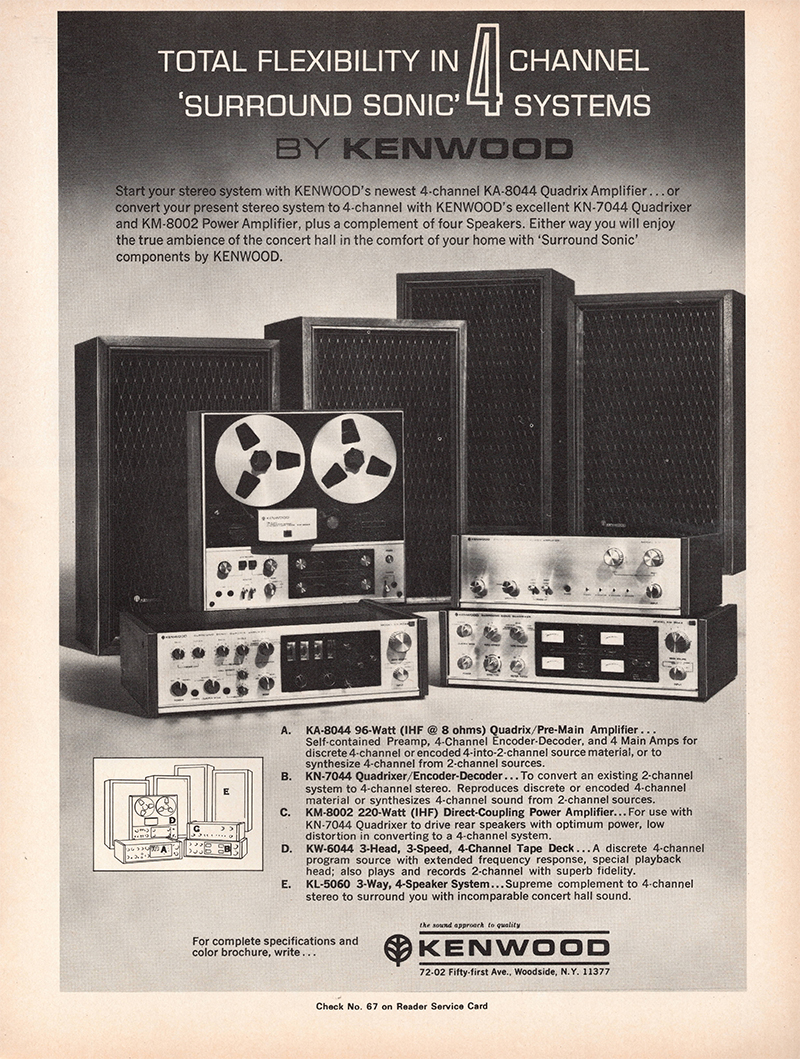
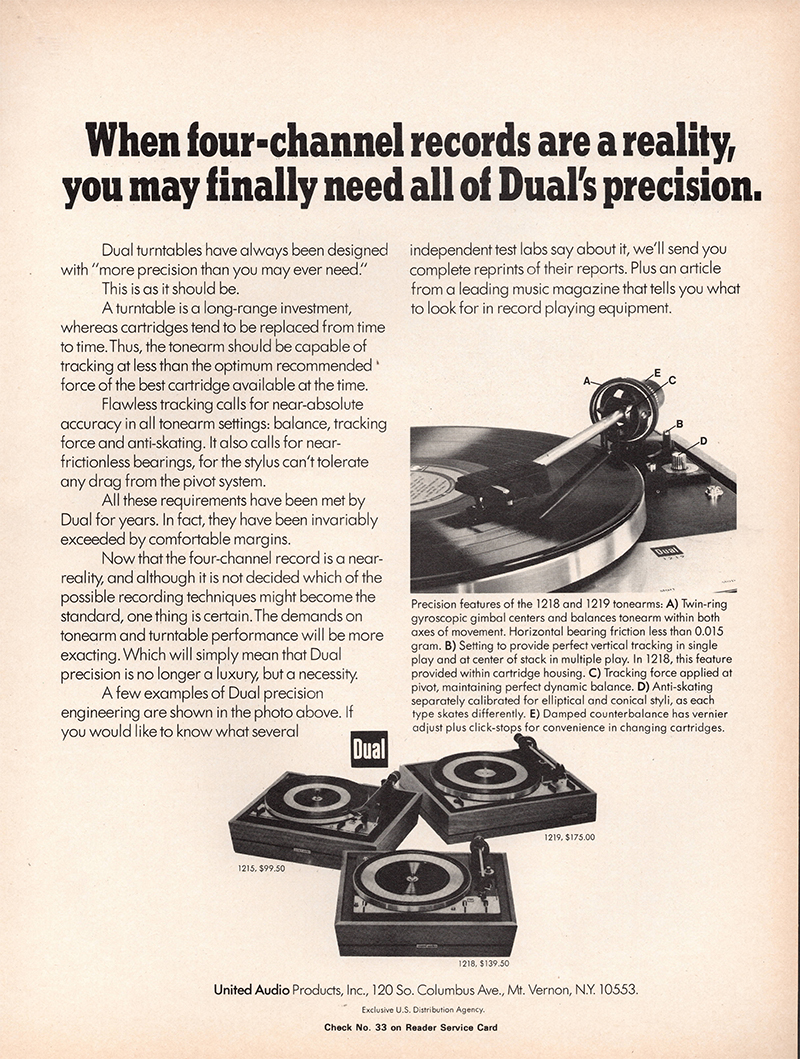
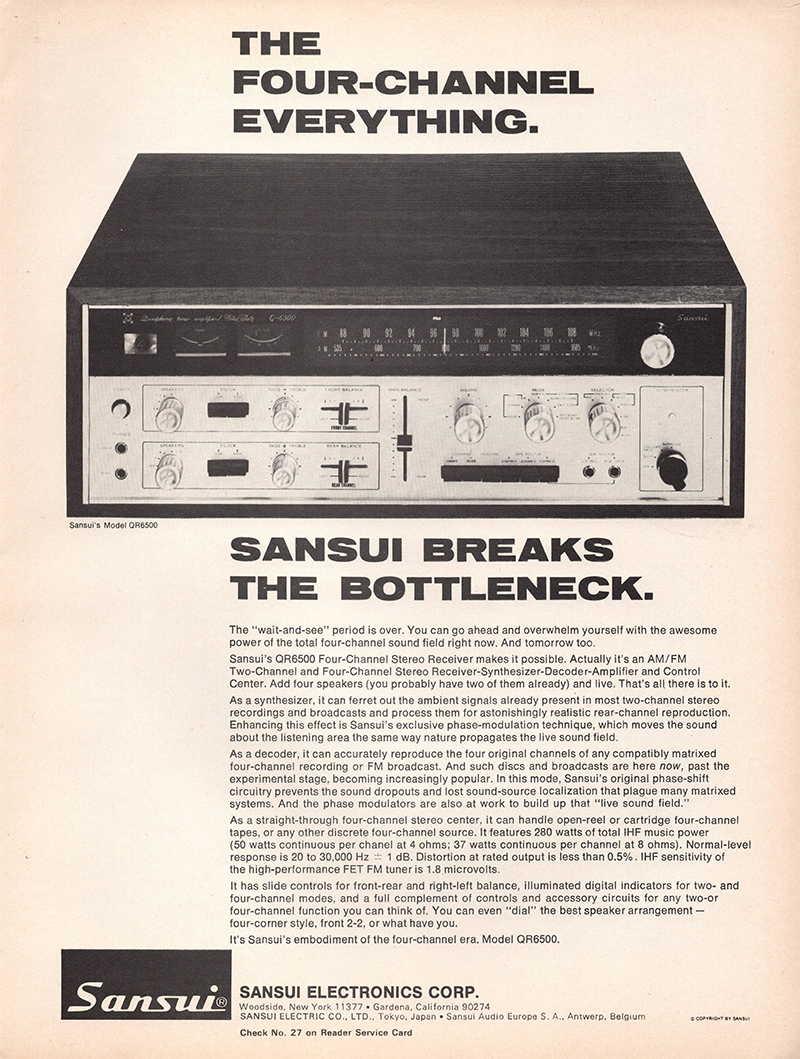
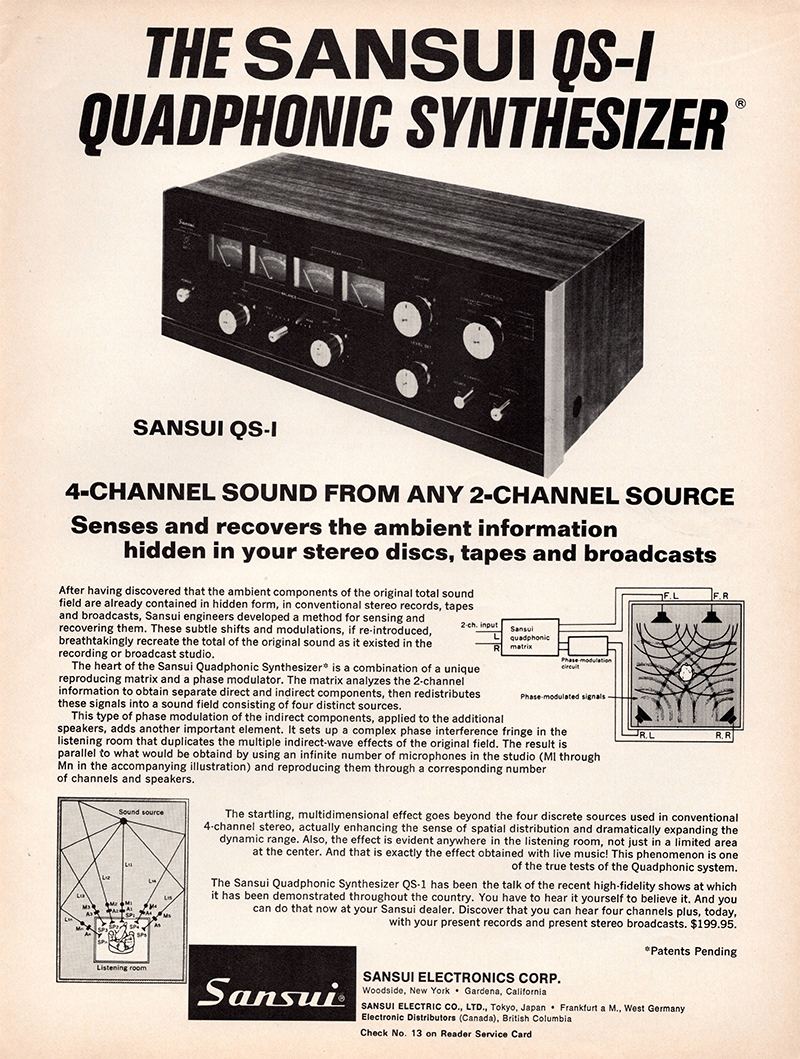
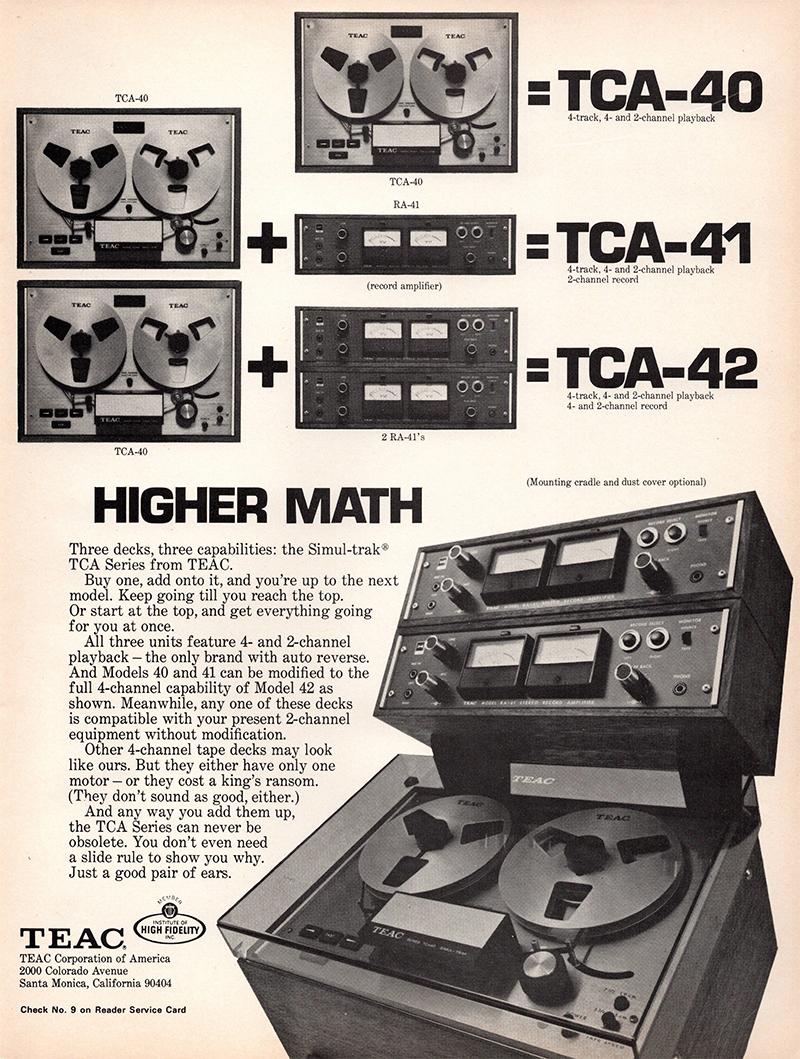
1971 also sat in the middle of the early quadraphonic push that RCA had kicked off the year before, with more manufacturers introducing four-channel decoders and amplifiers as the format war between competing quad systems began to take shape.